

Understanding Common Tree Work: Services, Costs and How to Plan Your Project
If you own a yard or manage a small property, tree work can be either a routine maintenance item or a costly, high-risk project. This guide breaks down common tree services such as tree trimming, tree removal, stump grinding, emergency tree service and arborist assessments, explains the main cost drivers, and gives realistic price ranges so you can budget with confidence. You will also get a step-by-step planning checklist and the key questions to include in written estimates so the job finishes safely and without surprises.
Common Tree Services and What Each Service Includes
Most projects fit into a short menu of services. Homeowners routinely hire pros for pruning and trimming, removal, stump grinding, emergency response, planting/transplanting, cabling/bracing, pest and disease treatment, and larger jobs like land clearing or forestry work. Know the scope of each so you can compare apples to apples when you get estimates.
What each common service actually includes
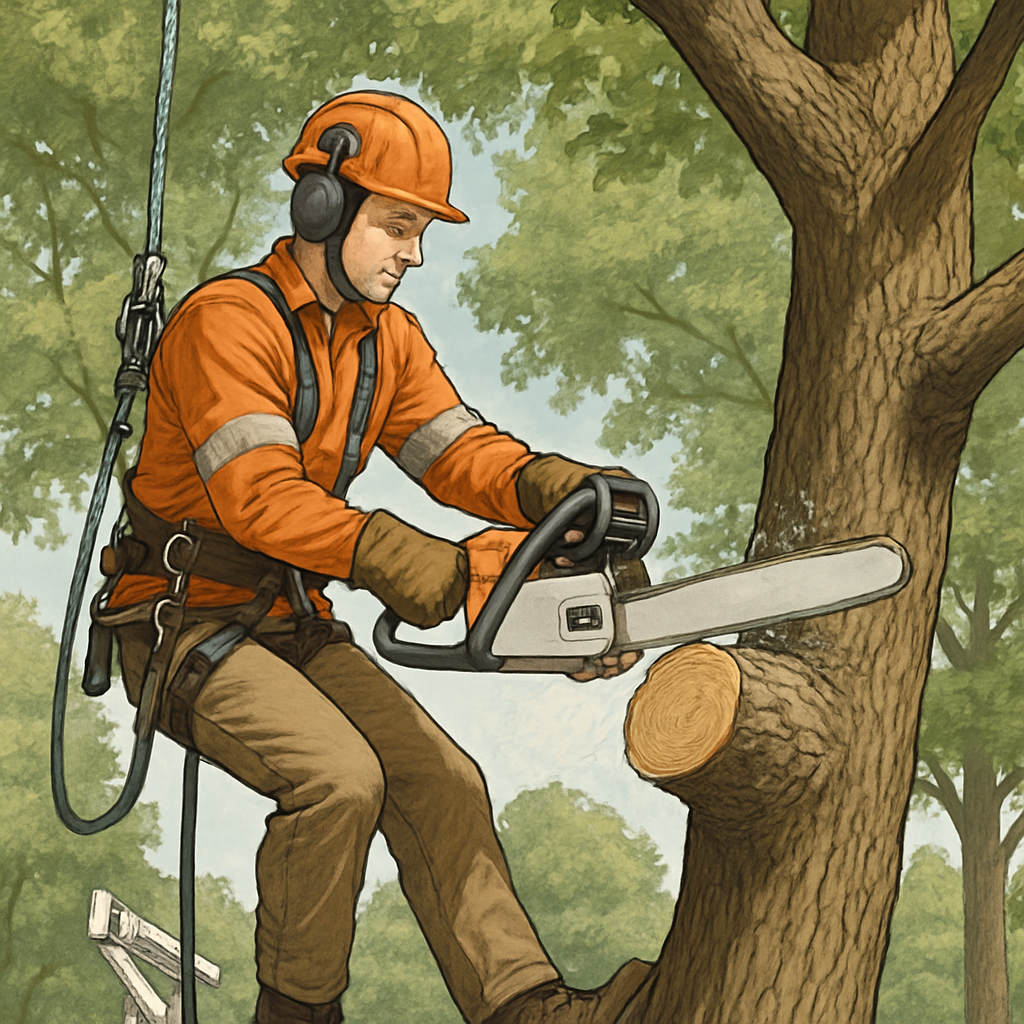
- Tree Trimming and Pruning: selective branch removal for health, structure, clearance, or aesthetics; includes clean pruning cuts, minor crown thinning, and disposal. Expect seasonal timing recommendations and a written pruning objective on the proposal. See Tree Trimming – Mr. Tree Inc..
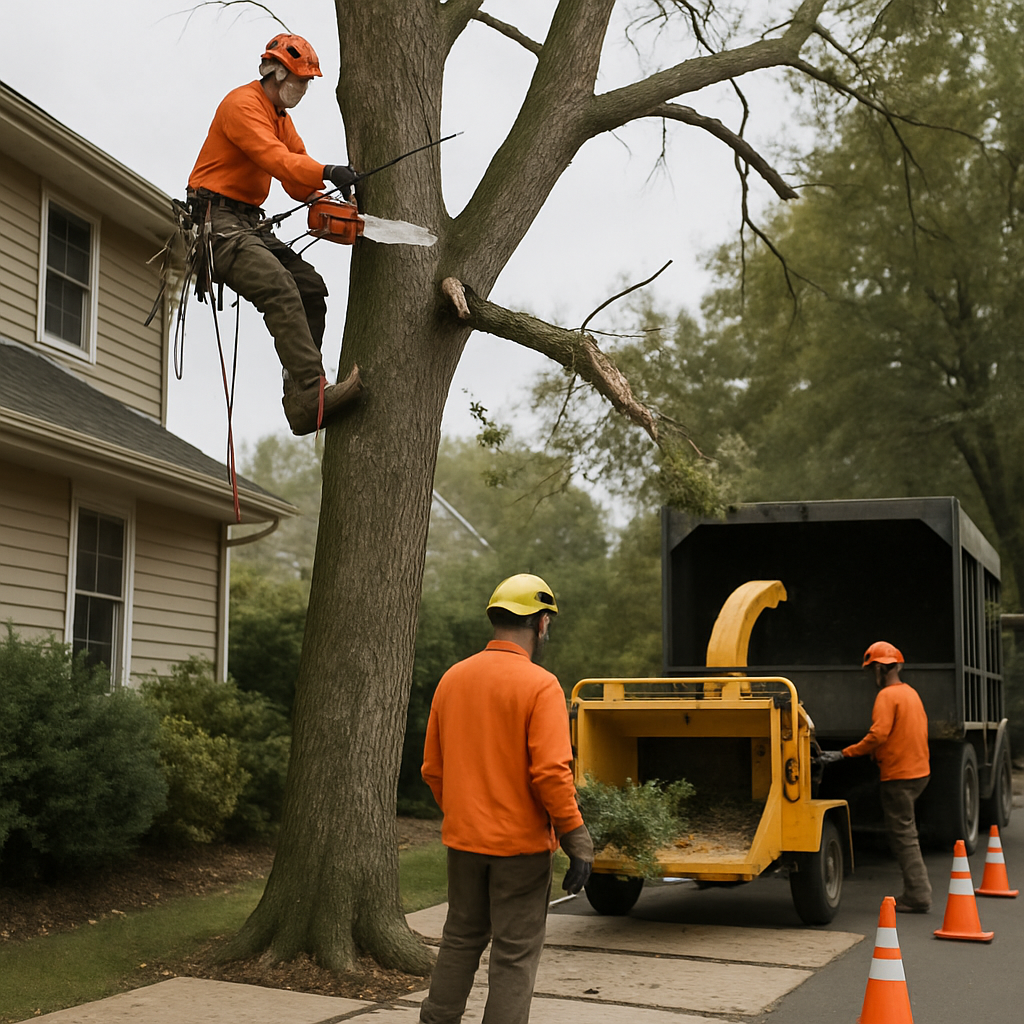
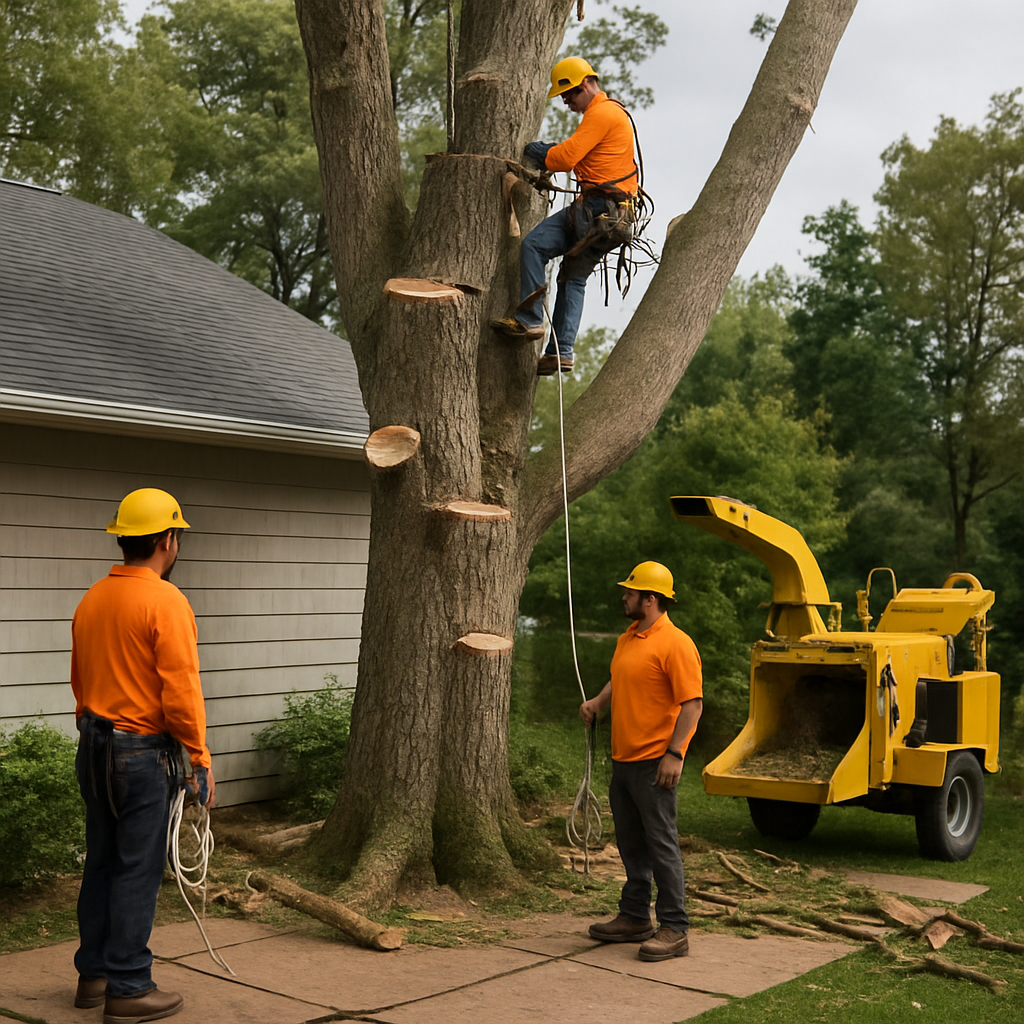
- Tree Removal: felling or sectional removal, debris hauling, and options for stump handling; complexity rises with tree height, proximity to structures, and access. Proposals should state whether removal is sectional or full-fall and whether a crane is required. See Tree Removal – Mr. Tree Inc..
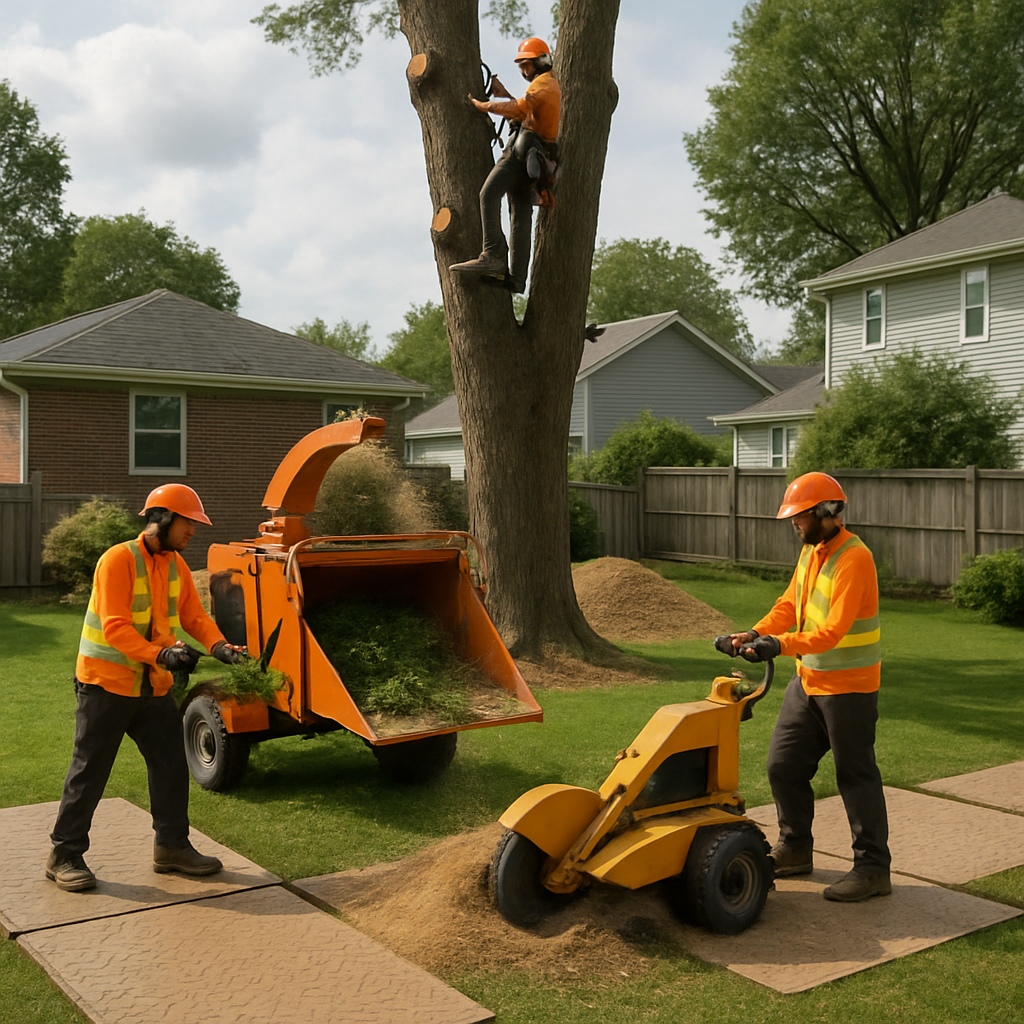
- Stump Grinding and Removal: grinder to below-grade wood chip removal vs full excavation; grinding is faster and cheaper but leaves root networks in place.
- Emergency Tree Service: rapid response for hazardous limbs or storm-damaged trees; priorities are risk reduction and stabilization, not cosmetic work.
- Cabling, Bracing and Structural Support: non-permanent structural interventions for trees worth preserving; this is a mitigation, not a cure for poor form or serious decay.
- Pest, Disease and Tree Health Management: diagnosis, targeted treatment plans, and preventative work like deep root feeding or soil aeration; treatments should include monitoring steps.
- Planting and Transplanting: species selection, soil prep, staking, and establishment care; includes short-term follow-up instructions or maintenance contracts.
- Land Clearing and Brush Management: mulching, chipping, and staged debris removal for lot clearing or pre-construction; scope should list restoration or erosion-control steps.
- Wood Chipping and Firewood Sales: on-site chipping for disposal or processed firewood delivery as a billed option; clarify whether chips are left, hauled, or used as mulch.
- Root Management and Barrier Installation: targeted root pruning, barrier installation, or deep root fertilization; useful when roots threaten sidewalks or foundations.
Practical trade-off: cabling and heavy pruning can preserve a tree but often only postpone removal. If a tree has extensive decay or root failure, preservation treatments can create a false economy and higher removal cost later because working around installed hardware is harder.
Concrete example: A 40-foot oak leaning toward the house with root damage and internal decay typically needs an ISA-certified arborist assessment first. The realistic plan is a risk assessment, selective sectional removal to protect the structure, and stump grinding with chipping; trying to save that tree with cabling would be risky and likely add cost without resolving the root failure.
Common misunderstanding: homeowners assume stump grinding removes all roots; it does not. If you need complete root removal for construction or to prevent suckering, expect higher cost and excavation work. Ask bidders to specify final stump depth and whether roots will be hauled or mulched on site.
Operational note: many contractors bundle wood-chipping and firewood sales as add-ons. That can reduce disposal fees if you accept chips as mulch or buy logs, but insist the proposal itemize chip hauling, wood splitting, and delivery so you know whether cleanup is included.
Next consideration: use this breakdown to force vendors to describe the exact steps they will take and the add-ons they charge for; vague scopes are the single biggest cause of cost surprises on tree jobs.
Understanding Costs: Typical Ranges and the Variables That Drive Price
Straight answer up front: tree work prices vary widely and the number you get on the first call rarely survives a site visit. Size and access explain most of the variance, but disposal, permits, seasonality, and whether an arborist wrote the scope are equally decisive.
Typical ballpark ranges
| Service | Typical range | Notes |
|---|---|---|
| Routine pruning / trimming | $75 – $800 | Small jobs under $200; large specimen pruning approaches upper range. See HomeAdvisor. |
| Tree removal (single tree) | $250 – $3,500+ | Depends on height, diameter, and access. Complex jobs with cranes exceed this; refer to Angi. |
| Stump grinding | $75 – $600 | Small stumps under $150; very large or root networks push cost higher. |
| Emergency tree service | 20 50% premium | Rush, hazard mitigation, and after-hours work increases rates. |
| Cabling and bracing | $300 – $1,500 | Used to preserve high-value trees instead of removal. |
| Tree health or risk assessment | $150 – $400 | Certified arborist report can prevent unnecessary removal. See treesaregood. |
- Tree size and species: Larger diameter and dense hardwoods cost more because cutting and hauling time increases and disposal is heavier.
- Access and site difficulty: Tight yards, fences, steep slopes, and overhead wires require sectional removal or cranes which multiply labor and equipment costs.
- Proximity to structures and utilities: Work next to houses, power lines, or pools forces slower, risk-managed removal and often higher insurance requirements.
- Equipment and crew required: A two person crew with a chipper is cheap. Crane lifts, rigging crews, or aerial platforms add thousands.
- Disposal, hauling and cleanup: Chipping and leaving chips is cheaper than hauling to landfill or processing for firewood sales and delivery.
- Permits, inspections and timing: Municipal permits, arborist reports, or HOA approvals add both time and fees; emergency demand spikes prices during storms.
Practical tradeoff to consider: choosing the lowest bid often trades short term savings for long term cost. Contractors who underbid commonly omit stump grinding, soil protection, or proper pruning cuts. A written scope from a licensed arborist reduces that risk and can save money by confirming a tree can be preserved instead of removed.
Concrete example: a 40 foot oak with the canopy overhanging a house and a narrow sideyard will typically require sectional removal. Expect a removal estimate around $1,800 2,500, stump grinding $300 500, and debris hauling $150 300 for a total roughly $2,250 3,300. If a crane is required because of impossible rigging, the job can jump to $5,000 8,000.
What people misunderstand: many homeowners assume fast equals cheap. In practice an urgent removal during storm season commands higher labor rates and smaller reputable contractors will prioritize safety over speed. Do not accept cash only offers or large upfront deposits without written insurance proof.
Next consideration: link the price to scope when you request bids. Ask every bidder to itemize removal, grinding, hauling, permit fees, and a timeline so comparisons are apples to apples; view sample service options at Mr Tree Services and specific pages for tree trimming and tree removal.
How to Plan Your Tree Project Step by Step
Treat the project like a small construction job: define the work, check permits and utilities, collect three written bids, and plan site protection before the crew arrives. Doing those four things up front is where most homeowners stop surprises and overruns.
1) Initial assessment and what to document
Collect evidence: take photos from four sides, note tree height and trunk diameter (measure or estimate DBH), mark lean, visible cracks, dead branches and proximity to structures or power lines. Include landscape constraints like fences, pools, or steep slopes.
- Photos and measurements: clear, dated photos make bids comparable and protect you if damage occurs
- Basic risk signs: cavity, root heave, recent lean change — these justify a professional assessment
- Scope checklist for bidders: target outcomes (trim for clearance, hazard reduction, full removal), stump preference (grind or full removal), debris hauling, and turf protection
2) When to bring in an arborist vs a contractor
Rule of thumb: hire an ISA-certified arborist for suspected disease, structural failure, or any tree close to structures or utilities. For routine trimming on small trees, a licensed, insured tree services crew is usually fine — but insist on written references and proof of insurance.
Trade-off to accept: a paid arborist report costs extra but can save you a mistaken removal or reduce liability; skipping it is cheaper now but risks higher costs later if the wrong tree is cut or a hazard is missed.
3) Getting and comparing bids
- Ask each bidder for a written proposal that lists specific work, crew size, equipment, timeline, disposal plan and itemized costs (labor, equipment, hauling, stump work).
- Require proof of insurance and workers compensation and confirm carrier via a phone call. Do not accept cash-only or large upfront deposits.
- Compare apples to apples: if one bid includes stump grinding and another does not, normalize prices before choosing.
Concrete Example: You have a 40-foot oak leaning toward a shed. Take photos, get an arborist risk assessment, and request three bids asking for sectional removal (no crane) plus stump grinding and chip hauling. Expect a 2–4 week window from first call to completion unless the job needs emergency work or crane access.
4) Permits, utilities and scheduling logistics
Check permits early with your city or HOA; permit delays are the most common scheduling blocker. Always request an underground locate via 811 before any excavation or stump removal.
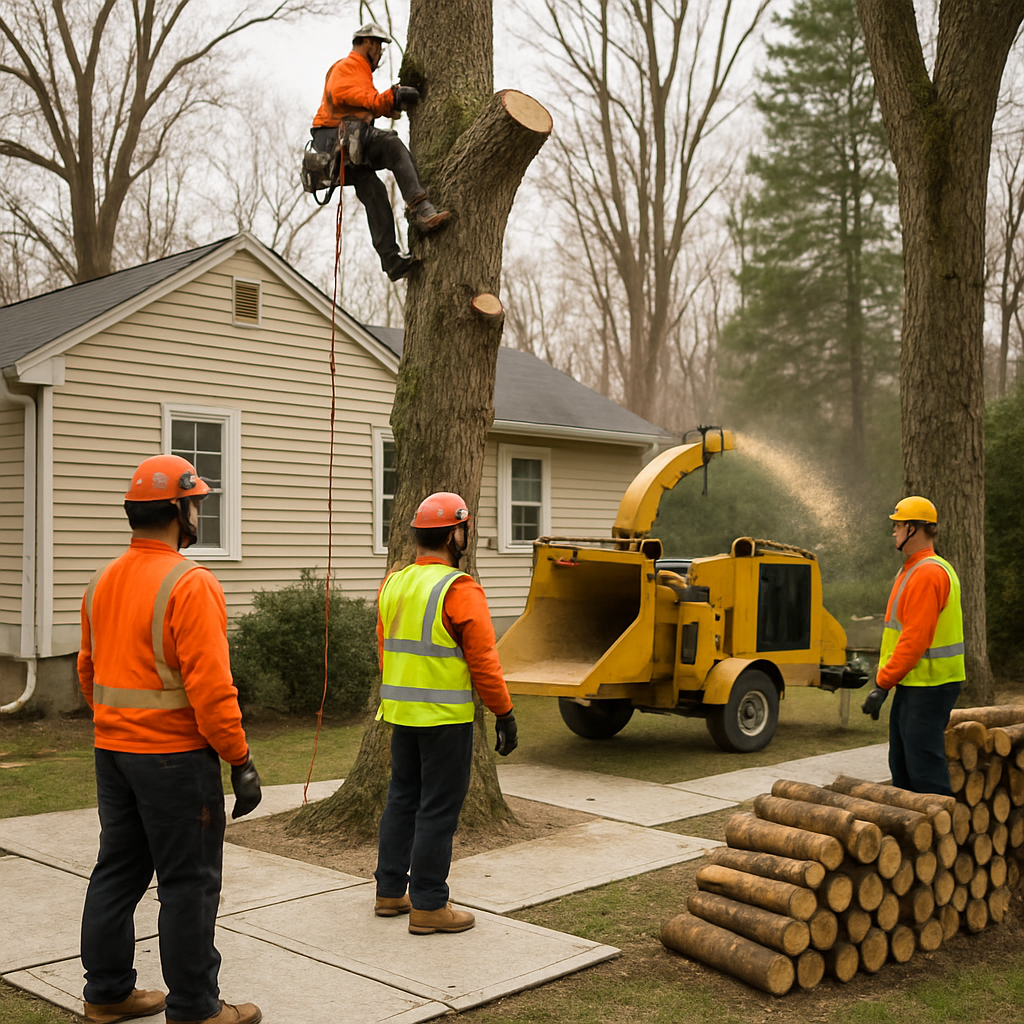
Site prep: plan protective paths for equipment, ground protection mats over turf, and a staging area for chips and wood. If neighbors are affected, notify them with timing and contact information for the contractor.
If a tree is within 10 feet of power lines, coordinate with the utility company — do not rely on the contractor alone.
Practical judgment: cheaper bids often skip protections or inflate risk later. Pay more for clear scope and protections when trees are large, near structures, or when access is difficult — that choice prevents emergency add-ons and damage claims.
Next consideration: gather photos, a trunk measurement, and the property parcel or permit contact so you can request accurate bids and decide whether to schedule an arborist inspection before soliciting proposals.
Choosing the Right Contractor and Evaluating Bids
Clear, comparable bids reduce risk. Price alone tells you almost nothing unless the scope, exclusions, and protections match between proposals. A bid that names equipment, crew size, disposal method, timeline, and insurance is usable. A vague low-price number is not.
Must-have protections. Require proof of general liability insurance, workers compensation, and a business license before any work or deposit. Ask for the insurance policy number and call the insurer if the job is large or near structures. If a bidder resists providing these, end the conversation.
Key questions to ask every bidder
- Scope and result: Exactly what will be removed or pruned, how the tree will be taken down (sectional versus whole), and whether stump grinding is included
- Equipment and crew: What equipment will be used – bucket truck, crane, chipper, stump grinder – and crew size expected for the job day
- Site protection and cleanup: How will turf, irrigation, driveways and fences be protected and what debris haul away is included
- Schedule and disruption: Start date, expected duration, and contingency if weather or permits delay work
- Insurance and references: Proof of insurance, certificate holder name, and recent references for similar jobs
- Payment terms and warranty: Deposit amount, final payment schedule, and any warranty for work such as cleanup or pruning failures
Tradeoff to accept. Faster response and lower cost usually mean smaller crews and less equipment on site, which increases risk of property damage or longer time on site. Spending more for a contractor who uses sectional removal and a chipper can be cheaper in the long run when access is tight or the tree is near structures.
Red flags and behavior to avoid
- Extremely low bid without details – likely to surface change orders for access, disposal, or hidden conditions
- Cash-only or large upfront deposit requests – reputable firms use cards or checks and limit deposits for materials and permits
- Vague scope or no written contract – if the scope is ambiguous you will pay for differences
- No references or unwillingness to show evidence of insurance – do not proceed
| What to verify | Why it matters |
|---|---|
| Certificate of insurance and workers comp | Protects you from liability if a worker is injured or property is damaged |
| Itemized written scope | Lets you compare apples to apples and avoid hidden fees |
| References for similar jobs | Shows the contractor has executed comparable work reliably |
| Clear disposal plan | Avoid surprise fees for debris hauling, chipping, or firewood delivery |
Concrete example: You request three bids for removing a 40 foot oak leaning toward the house. Bid A is $700 with no breakdown. Bid B is $2,100 and lists sectional removal, stump grinding to 6 inches below grade, chip and haul, and insurance. Bid C is $4,600 and includes crane rental because of tight roof clearance. In this scenario you are choosing between acceptable risk and cost; if access allows sectional removal and the roofer verified clearance, Bid B is the sensible middle path. If roof damage risk is high or the tree cannot be safely sectioned, the crane option is defensible despite the price.
Practical judgment. In practice, midrange bids with detailed scopes win more projects and cause fewer surprises. Low bids often convert to change orders; top bids sometimes include padding or unnecessary services. Choose clarity over a low number.
Next consideration: Use the questions and red flags above to build a bid comparison worksheet and prioritize the proposal that minimizes risk to structures and liability while fitting your budget.
Safety, Preservation and Environmental Considerations
Key point: Safety decisions must lead, preservation choices follow. Removing a healthy mature tree because it is inconvenient is rarely the best environmental choice, but leaving a structurally unsound tree near a house to save money is reckless. Prioritize risk reduction first, then evaluate preservation tactics if the tree can be made safe.
Protect root zones and prevent soil damage
Protect the roots: The area under the canopy matters more than the trunk. Use the simple rule of thumb of roughly 1 foot of radius per inch of trunk diameter to estimate a critical root zone for large trees; treat that area as off limits to heavy equipment and storage. If machinery must cross it, use ground protection mats and temporary steel trackways to avoid compaction that kills fine roots and shortens a tree lifespan.
- Site protection: install fencing around the critical root zone and route chip piles and trucks outside it
- Soil remediation: plan for soil aeration or topsoil restoration after work if compaction occurs
- When work is unavoidable: use pneumatic tools and hand excavation near roots rather than backhoes
Tradeoff to accept: Preservation costs real money and time. Cabling, bracing, targeted pruning, deep root feeding and soil improvement preserve canopy value but add to the bid. For mature landscape trees that provide shade, wildlife habitat and higher property value, these costs often justify themselves; for small, declining, or high-risk trees, removal is usually the better value.
Concrete example: A 60 foot oak with a partially decayed lower limb was leaning toward a garage. An ISA certified arborist recommended selective crown reduction plus cabling and root barrier installation along the garage foundation. The job cost more than a simple removal quote, but it preserved shade and cut long term replacement and cooling costs while removing the immediate hazard.
Wildlife and legal constraints matter: Nesting birds and protected species create hard no work windows in many jurisdictions. Check municipal rules and federal protections early. If you suspect nests, schedule work outside breeding season or hire an arborist to advise on mitigation so you are not forced to stop midjob and pay emergency premiums.
Disposal choices change environmental impact and community value. Chipping and leaving mulch on site reduces hauling emissions and benefits soil; selling or donating firewood keeps material useful. Ask bidders for an eco-friendly disposal option and for an itemized price for hauling away versus chipping for reuse. Mr Tree service pages detail chipping and stump grinding options for planning purposes: services and tree trimming.
Call an ISA certified arborist for high risk or high value trees; no estimate beats a proper hazard tree assessment.
Next consideration: Before you sign a contract, insist the proposal documents root protection measures, wildlife checks, and a disposal option that aligns with your environmental goals. If any bidder shrugs at root protection or avoidance of contractors working inside the canopy without mats, that is a red flag.
Special Cases and Seasonal Considerations
Hard truth: timing and special circumstances change more than price — they change what is possible and how safe crews can work. Plan for season, wildlife regulations, and whether your job is emergency or scheduled before you sign a contract.
Emergency versus planned work
Emergency work is expedient but expensive. When a storm creates a hazard, crews will prioritize removing the immediate risk, often using fast sectional cuts and temporary shoring. That gets the roof safe quickly, but it can leave a messy stump, exposed cambium, or roots that need a follow-up full removal or repair.
Practical tradeoff: accept a higher immediate invoice for safety, then require a written scope for the follow-up job so you do not pay twice for the same work. Document damage with photos and keep invoices for insurance claims; insurers expect evidence and a later definite scope from an arborist.
Concrete example: A homeowner had a 60-foot oak crack in a wind event. Emergency crews removed the broken crown the same day to eliminate the threat to the house. The homeowner then scheduled a crane-assisted sectional removal two weeks later to remove the remainder safely and to coordinate insurance and neighbors.
Large trees, cranes, and access constraints
When cranes are worth it. Use a crane for very large trees near structures or in confined spaces where sectional rigging would risk damage. Expect crane jobs to add 30 to 100 percent to labor costs because of lift crews, permits, and street closures.
Limitation: cranes reduce risk to property but increase logistical complexity. If your yard cannot stage the crane or if neighbors object to road closures, you may need a slower, more expensive rope-and-bucket approach or split the job into phases.
Seasonal timing, wildlife and municipal rules
Season matters for biology and access. Dormant-season pruning is lower stress for many species and gives crews firmer ground in colder climates, but spring-flowering trees should be pruned after bloom to preserve aesthetics. Planting is best in early fall to give roots a cool, moist establishment period.
Wildlife and permit constraints can force delays. Nesting bird season and local heritage tree ordinances commonly restrict work from spring into mid-summer. Always check your city rules and plan around nesting windows; cutting through an active nest can trigger fines and required restoration.
- Quick rule: If work is non-emergency, avoid scheduling major removals from May through July in many regions because of bird nesting.
- Access note: Wet seasons can make crane staging or heavy equipment use impossible without matting; that pushes jobs into drier months.
- Permit reminder: Some municipalities require tree removal permits or public notice which add 2 to 6 weeks to timelines.
Next consideration: before hiring, confirm how a bidder handles emergency mitigation, crane logistics, and season-related permit delays so your contract matches the real-world constraints of the job.
Budgeting Examples and Sample Project Timelines
Practical budgets need contingency and calendar risk baked in. A bid that looks low on paper often fails to account for a permit hold, utility locate delay, or bad-weather reschedule — plan 10 to 25 percent over the contractor estimate for realistic budgeting.
Tradeoff to accept: faster turnaround and emergency response cost more. If you need a same-week removal after storm damage expect a premium for overtime, priority trucks, and possibly traffic control permits.
| Sample Project | Ballpark Budget | Typical Timeline | Key cost drivers and notes |
|---|---|---|---|
| A – Small yard pruning: 25-foot maple | $250 – $650 | 1 day (crew on site 3-6 hours) | Access is easy, minimal pruning, includes basic cleanup. No permit in most municipalities. |
| B – Medium removal: 40-foot oak with limited access + stump grinding | $1,200 – $3,200 | 2-4 days (assessment, mobilization, removal, grind, haul) | Sectional removal required, flagging for utilities, stump grinding depth 6-12 inches. Permit possible; add 1-3 weeks for approvals. |
| C – Emergency removal: storm-damaged pine near roof | $800 – $4,500+ | 24 – 72 hours triage then 1-2 days full removal | High risk work, extra crew, possible crane or traffic control. Expect emergency surcharge; document for insurance. |
Concrete Example: A 40-foot oak tucked between a garage and fence required sectional removal because a truck could not back close to the tree. The crew quoted $2,400 including stump grinding; permit processing added a week, and poor weather pushed the job out another 5 days. Final cost rose to $2,760 after a 15 percent contingency for unforeseen rot in the trunk.
Milestones to include in any project timeline
- Initial inspection and written scope: contractor visit and written proposal (0-7 days)
- Permit and utility locate: submit permit if required and call 811 for locates (1-21 days depending on municipality)
- Scheduling and mobilization: confirm crew, equipment and access plan (1-7 days)
- Work window: actual removal/pruning/grinding (same day to several days)
- Cleanup and haul: chipping, stump grind, site restore (same day to next day)
- Post-work inspection and invoice: walk-through, sign-off, and final payment (1-3 days)
Meaningful judgment: do not treat estimates as fixed. Written proposals are working documents; require itemized line items for labor, equipment, disposal and permits. Low-detail bids hide the real costs that show up as change orders.
Cost offsets and practical savings: ask contractors about wood chipping services and firewood sales and delivery as offsets to disposal cost, but do not accept lower cleanup standards for reduced price. If you want eco-friendly removal, confirm separation of recyclable material and inquire about Mr. Tree services and specific removal or trimming options at Tree Removal or Tree Trimming.
Next consideration: when you compare bids, line up these timelines and contingencies side by side so you can see who is banking on good weather, who includes permits, and who charges for delays. That is where real differences between similar-looking estimates appear.
0 Comments