


What to Expect from Tree Service in Beaverton: Turnaround Times, Permits and Pricing
Tree service in Beaverton can feel opaque: different crews, permit rules, and wildly varying quotes make scheduling and budgeting uncertain. This post gives realistic timelines for trimming, removals and emergency response, explains when the City of Beaverton requires permits, and breaks down the cost drivers you will see on estimates. It also outlines how Mr. Tree Inc. handles estimates, permit submissions and on-site safety so you know what to expect from inquiry to cleanup.
What Happens When You Request Tree Service in Beaverton
First contact is a prescreen, not a commitment. When you call or use an online form for tree service in beaverton, expect a quick set of questions: address, basic description, photos, safety concerns, and whether the tree is near a house, power line, or the street. That information sets the right crew, equipment, and whether we need an ISA Certified Arborist on site.
On-site visit and what it delivers
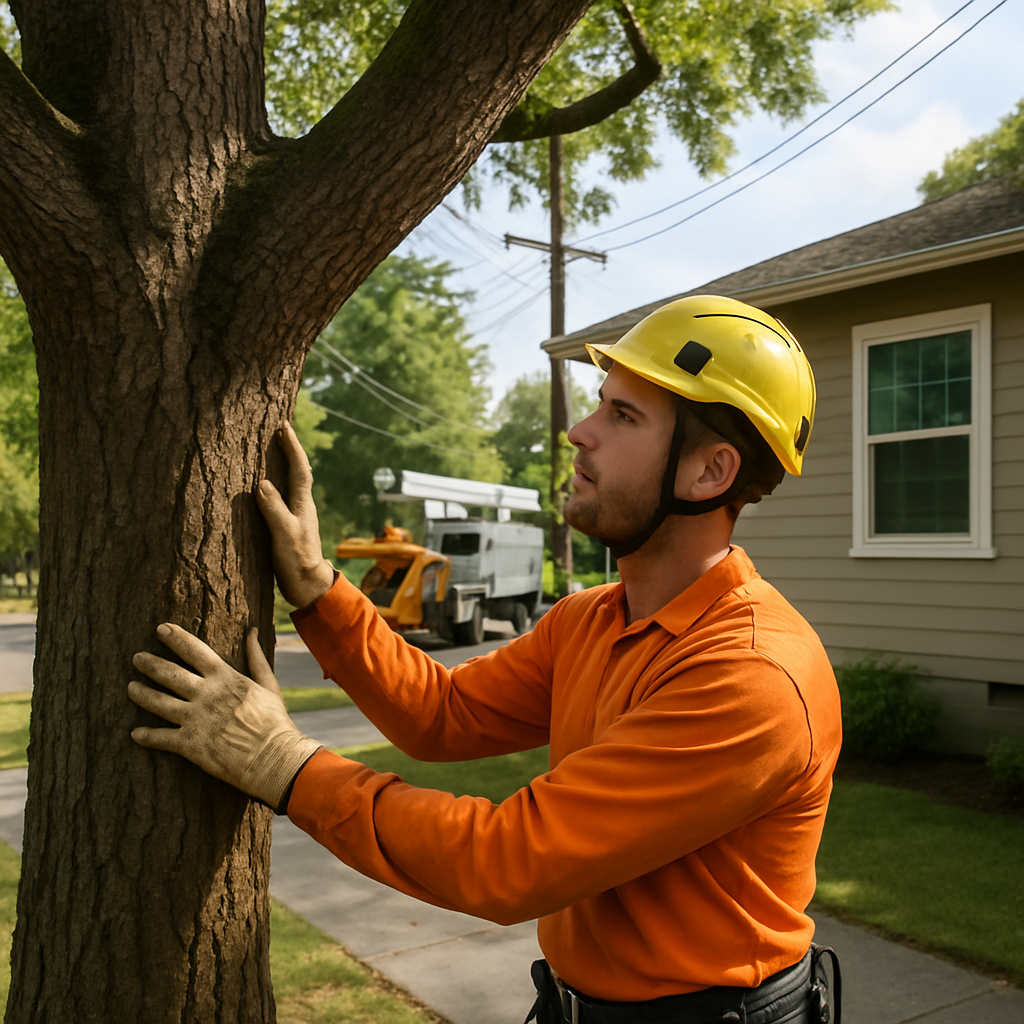
On-site visits resolve the unknowns that blow up estimates. A short visit produces measured diameter, height ranges, access assessment, a basic risk check, and a determination about permits. We usually give a provisional estimate on site and follow up with a written, itemized quote within 48 hours.
Practical tradeoff: a photo-based estimate gets you speed but not certainty. If the tree sits behind fences, over a retaining wall, or under tight power lines, nothing substitutes for a boots-on-ground inspection. Choosing speed over a site visit increases the risk of a change order on the day of work.
- Documents and details that speed the process: property lines, HOA rules, recent arborist reports, and clear photos showing proximity to structures and utilities
- Access notes to add in your request: gate widths, driveway slope, overhead wires, and whether neighbors or the street will need traffic control
- Permit flags we look for early: street trees, trees in conservation overlays, or those over a certain DBH that trigger City of Beaverton review; check City of Beaverton if unsure
Concrete Example: A homeowner sends three photos of a leaning Douglas fir and requests removal. Remote prescreen schedules an arborist site visit the next business day. On site we find a hidden cedar close to the alley and an underground irrigation line, which increases rigging time and adds a stump grinding requirement; the written quote reflects those changes and a slightly later start date.
What to expect after the quote: once you accept, we confirm insurance and credentials, book a crew, and flag any permit needs. If a City of Beaverton permit is required we prepare the application; that step adds time but avoids stop-work orders and fines.
If speed matters, ask for a prioritized site visit by an arborist. Speed costs more; accuracy saves you money and time on the actual work day.
Turnaround Times by Service Type and Season
Quick reality: scheduling for tree service in Beaverton moves on three axes – the service type, the season, and whether a permit or specialized rigging is required. Routine trimming can be booked within days to a few weeks; complex removals with permit needs routinely add weeks to the calendar.
Typical scheduling windows
| Service | Typical turnaround | Seasonal notes |
|---|---|---|
| Routine trimming / pruning | 1 to 4 weeks | Spring and fall are busiest; late winter pruning can be faster for deciduous trees |
| Nonemergency tree removal (no permit) | 2 to 6 weeks | Summer and early fall fill with landscape projects |
| Tree removal requiring City permit or arborist report | 4 to 10+ weeks | Permit processing and required reports create the delay – check City of Beaverton |
| Emergency / hazardous removal | 24 to 72 hours for initial response; full removal may take days to weeks | Storms create a backlog; emergency stabilization is prioritized over full cleanup |
| Stump grinding | 1 to 3 weeks after removal; sometimes same day for small jobs | Wet ground can force scheduling delays for heavy grinders |
| Arborist assessment or written report | 3 to 14 days | Complex reports for protected or heritage tree cases take longer |
Practical tradeoff: if you need faster service, expect to pay a premium or accept a smaller crew doing sectional work. Faster is not always safer – crews pushed to compress a multi day removal into one tight window increase risk and cleanup time.
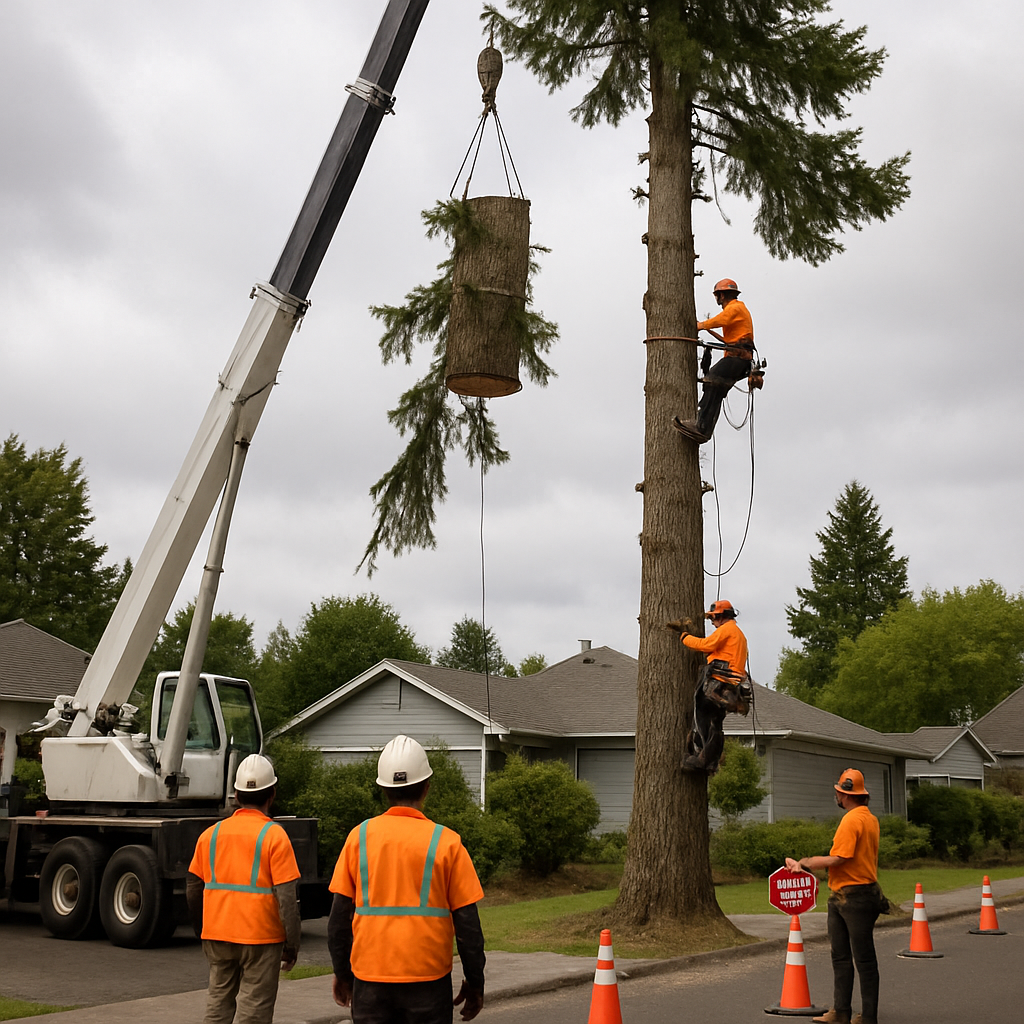
Concrete example: a 70-foot Douglas fir leaning toward a roof after a windstorm will often get stabilization within 24 hours to make the site safe. Full sectional removal that avoids damage, potentially using a crane, commonly takes 1 to 3 weeks to schedule because certified crane crews and traffic control permits are limited during storm season.
- Primary delays to expect: access limitations that require rigging or cranes
- Permit and documentation delays: protected tree rules and required arborist reports add weeks
- Weather and ground conditions: saturated soils limit heavy equipment use and push work into dryer windows
- Crew availability: peak months and post storm backlogs shift nonemergency jobs later
Next consideration: when you get a quote ask explicitly for the calendar window and the contingency plan if permits or bad weather push the job – that is where most timelines stretch and extra costs appear.
Beaverton Permits and Regulations You Need to Know
Key point: Beaverton requires review for more tree work than most homeowners expect. Work that affects protected trees, street trees, or trees inside conservation overlays triggers city review or permits, and that review is what commonly shifts a simple removal into a multiweek process.
Common permit triggers in Beaverton
- Protected or heritage trees: species and size criteria determine protection; removal often needs an arborist report and mitigation plan.
- Street trees and public right of way trees: any pruning or removal that extends into the public ROW usually requires city permission and coordination with public works.
- Construction, grading, or site work near trees: activities that impact the critical root zone require permits and often a tree protection plan.
- Lot clearing or large-scale removals: mass removals can trigger land use review and replacement planting requirements.
- Work that alters drainage or soil around a tree: even well intentioned efforts can violate code if they change root environment.
Practical tradeoff: Paying for an upfront arborist report usually speeds approval and reduces follow-up requests from planners, but it adds immediate cost. Trying to avoid permitting by doing minimal work yourself risks stop-work orders, fines, and forced replanting that cost more in the long run.
Concrete example: A homeowner wanted to remove a mature Garry oak sitting partly inside a conservation overlay. Mr. Tree measured DBH, prepared a short arborist report and a two-tree replacement plan, and submitted the application with photos. That upfront work required a fee and two weeks of processing but avoided a month of back-and-forth and a potential citation for unauthorized removal.
What cities usually ask for and why it matters
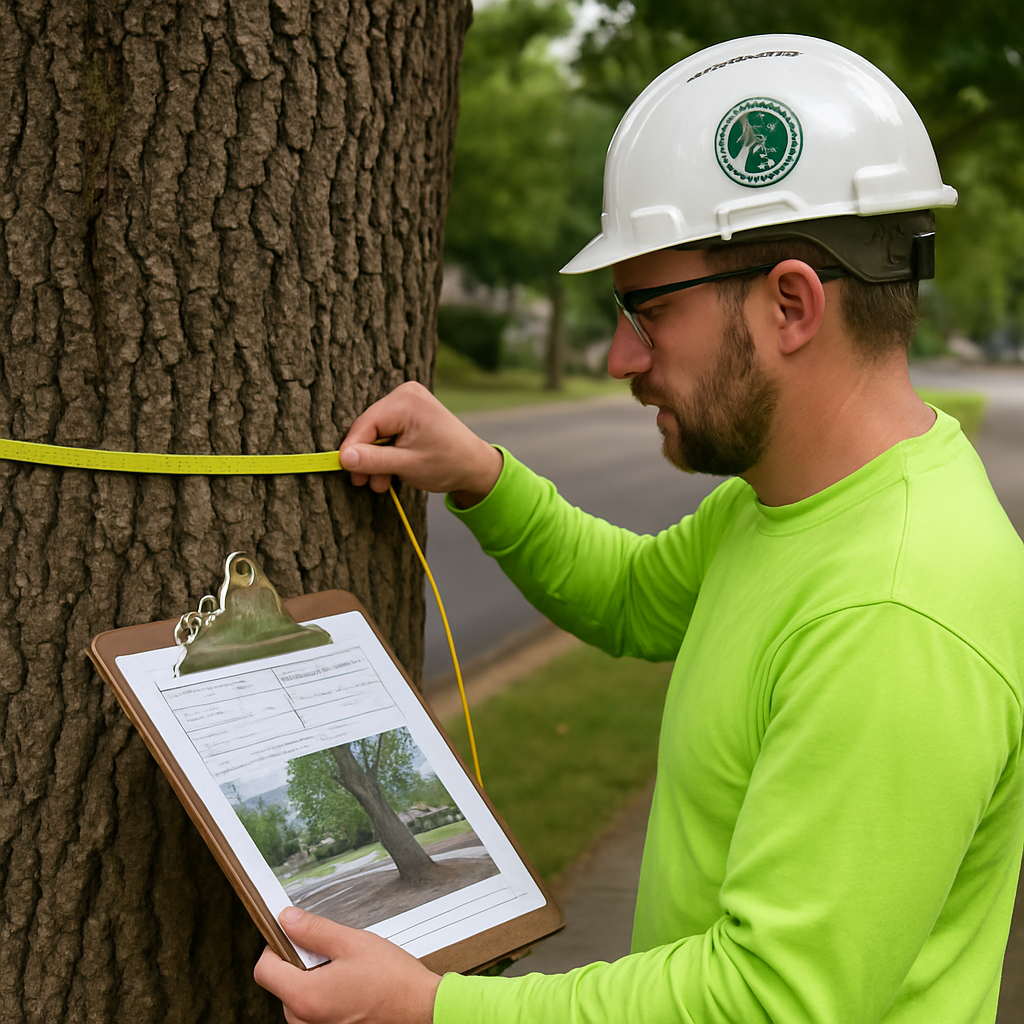
Most permit files require a site map, species and diameter at breast height (DBH) measurements, clear photos showing proximity to structures or utilities, and a brief narrative about why the work is necessary. Planners use those items to decide whether replacement planting, tree protection during construction, or special mitigation is required.
Judgment: Working with a licensed tree contractor that provides ISA Certified Arborist reports and accurate DBH measurements reduces costly resubmittals. In practice the firms that handle the paperwork well also manage the logistics so your schedule does not suffer from administrative delays.
- Prepare before the site visit: have property lines, a clear address, and photos from several angles.
- Measure basics yourself: note tree species and an approximate trunk diameter; an arborist will confirm DBH precisely.
- Mark conflicts: show where the tree meets driveways, sidewalks, or utilities so the estimate and permit capture true scope.
- Call 811: always locate underground utilities before any excavation or stump grinding.
Check the City of Beaverton rules early at City of Beaverton so permitting requirements are known before you accept a bid.
How Mr. Tree helps: We prepare site plans, deliver ISA arborist reports, measure DBH, and submit permit applications on your behalf to streamline approvals. When public works coordination or replacement planting is required we include that in the written estimate so there are no surprises. See our services at Tree Removal – Mr. Tree Inc. and Tree Trimming – Mr. Tree Inc..
Next consideration: Before booking, confirm whether the tree is inside a conservation overlay or the public right of way so you can plan for permit lead time and any mitigation that the city may require.
Pricing Breakdown: What You Pay For and Sample Ranges
Straight answer: price is not just labor per hour. For tree service in Beaverton you pay for discrete line items – assessment and reporting, crew time, equipment, disposal, permits, and any specialized access or traffic control. A low sticker price that is not itemized usually means missing fees or corners cut on safety and cleanup.
Estimate line items to insist on
- Site visit and written quote: includes measurements,
DBH, and a risk note - Labor and crew time: number of climbers, ground crew, and estimated hours
- Equipment: chipper, stump grinder, rigging gear, crane if required
- Disposal: chip-on-site, haul-away, firewood cutting and stacking fees
- Permits and documentation: city permit fees, arborist reports, mitigation planting
- Traffic control and lane closures: signs, cones, flaggers when work touches right of way
- Post-job cleanup and turf repair: chip spread, haul, or regrading costs
Practical insight: bundling saves money but only when the company actually performs the bundled work. For example, having stump grinding included with removal commonly reduces per-line cost because the crew is already on site – but some bids exclude it to look cheaper. Always confirm which line items are included and which are optional add ons.
| Service type | Typical local range | Notes |
|---|---|---|
| Small tree trimming or pruning (under 30 ft) | $150 – $450 | Simple access, 1-2 crew, same-day cleanup |
| Medium tree removal (30 – 60 ft) | $400 – $1,200 | May need sectional rigging, stump grinding extra |
| Large or complex removal (60+ ft or near structures) | $1,200 – $4,000+ | Crane or traffic control increases cost substantially |
| Stump grinding | $150 – $600 | Depends on diameter and access – often quoted per inch of DBH |
| ISA arborist assessment/written report | $150 – $400 | Required for protected or heritage tree permits |
Concrete Example: a routine trim of a 30 foot bigleaf maple in a Beaverton yard typically runs $250 to $450. A two person crew will work 2 to 4 hours, leave the chips on site or haul them for an extra fee, and no permit is usually needed. Contrast that with a storm damaged 70 foot Douglas fir leaning toward a roof – expect $2,500 to $6,000 when sectional removal, crane time, and traffic control are required.
Trade off to remember: faster response or emergency service carries a premium – often 25 percent to 50 percent higher – because crews prioritize safety and stop other work. Paying more for a certified arborist report and a contractor who handles permits upfront usually saves time and unpredictable costs later.
Ask for an itemized quote that separates labor, equipment, disposal, permit fees, and stump grinding. That one step prevents most surprise invoices.
How Mr. Tree Manages Jobs from Quote to Cleanup
Straight to business: Mr. Tree runs every job like a short project — prescreen, assess, document for permits if needed, schedule, execute with safety controls, and verify cleanup and client sign-off. This isn’t lip service; the process is designed to reduce surprises that push time or cost higher.
Step-by-step operational flow
- Prescreen call or form: Quick questions about access, hazards, and photos so crews don’t show up blind.
- On-site assessment: An ISA Certified Arborist or trained crew measures DBH, documents structure proximity, and flags permit triggers.
- Written, itemized estimate: Labor, equipment, stump work, disposal, permit fees, and any traffic control billed separately so you can compare bids apples-to-apples. See our services at Mr. Tree services.
- Permit support: If the job touches protected or street trees we prepare maps and reports and can submit applications for you; the City timeline still controls outcomes — check City of Beaverton rules.
- Scheduling and coordination: We assign crew size and equipment based on risk and access; faster dates often cost more because they displace planned jobs.
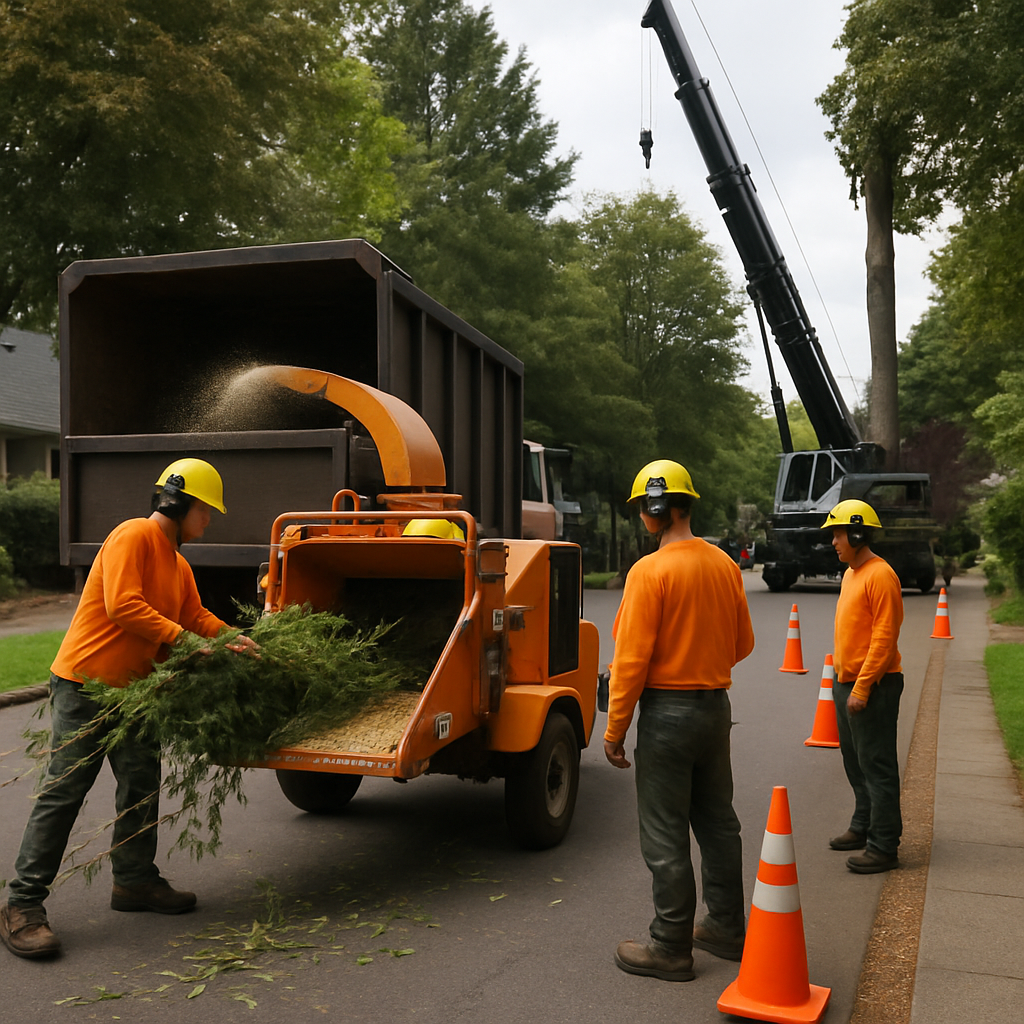
- Day-of execution: Safety briefing, zone setup (traffic cones, signs), sectional or crane removals as needed, chipping and haul-away, and stump grinding if included.
- Post-job inspection and sign-off: Walk the site with the client, confirm cleanup, issue final invoice and any follow-up or warranty notes.
Practical trade-off: Faster scheduling reduces your wait but usually raises the price and can limit options for cheaper, crew-only sectional removal versus crane-assisted work. If access is tight or the tree is near utilities, plan for a longer lead time to avoid rushed, expensive fixes.
Concrete example: A 70-foot Douglas fir leaning toward a roof is triaged on an emergency call; Mr. Tree stabilizes or removes hazardous limbs within 24–72 hours, then schedules full sectional removal. Because street closure and a crane are needed, the complete removal requires permit coordination and contractor booking that typically takes 1–3 weeks after the initial emergency response.
What most homeowners misunderstand: Many assume the lowest bid equals savings. In practice low bids often omit stump grinding, traffic control, or permit fees — or rely on smaller crews that take longer and raise total disruption. Insist on itemized quotes and certificates of insurance before work starts.
Final practical note: Payment is staged — small deposit to secure the date, balance on completion, and a written scope that limits surprises. If you need help deciding between trimming now or removing later, ask for a short arborist report; it costs a bit but prevents costly mistakes.
Takeaway: Expect a predictable, document-driven workflow — faster service costs more; careful documentation and permit support are where Mr. Tree saves you time and risk.
Realistic Job Scenarios with Timelines and Cost Examples
Practical point: below are three representative jobs you will actually see in Beaverton and what to expect on scheduling, scope and cost. These are not quotes, they are realistic ranges that reflect access, permit complexity and the usual local labor rates.
Three common job profiles
| Scenario | Typical timeline (from estimate to finish) | Estimated cost range | Key cost drivers |
|---|---|---|---|
| Routine trim – 30-foot bigleaf maple in a suburban yard | 1 to 3 weeks | $200 to $450 | Crew size, travel time, amount of pruning, disposal method |
| Storm-damaged 70-foot Douglas fir leaning toward a roof (hazard) | Emergency stabilization within 24-72 hours; full sectional removal 3 days to 2 weeks | $2,000 to $7,000 (crane or sectional rigging drives top end) | Crane or rigging, insurance risk premium, traffic control, access constraints |
| Removal of a protected Garry oak in a conservation overlay requiring arborist report | Permit + report: 3 to 10 weeks; physical removal 1 to 4 weeks after permit | $3,000 to $9,000 (includes arborist report and mitigation planting) | Permit fees, arborist documentation, required mitigation plantings |
Concrete example: a homeowner calls after a storm to report a 70-foot Douglas fir leaning onto a garage. Mr. Tree crews typically stabilize any immediate hazard within 24 hours, then schedule the sectional removal; if crane work is needed and a street closure required, expect the project to take multiple days and land near the higher end of the range because of equipment mobilization and traffic-control costs.
- Trade-off to know: faster emergency response costs more. If the situation is not an immediate threat, scheduling two weeks out can cut the premium significantly because crews can combine jobs and avoid overtime.
- Batching saves money: combining trimming or removals on the same property in one visit reduces per-tree mobilization costs. If you have multiple trees, ask for a bundled quote.
- Permits change the calendar: protected-tree removals are the single biggest source of delay. Start the permit conversation at estimate; having property lines and photos ready shortens the city review window. See City of Beaverton for details.
Practical limitation: low-ball estimates are common for complex removals. If a bid is substantially cheaper than others, confirm what is excluded – often it is crane time, stump grinding, traffic control or required arborist reports. The cheapest quote can become the most expensive after add-ons.
Practical Preparation and Questions to Ask Before You Book
Start with good photos and measurements. Before you call for estimates, take 6–8 clear photos: full-yard shots from two sides, a close-up of the trunk, the base showing roots or grade, and any structure or line the tree threatens. Measure or estimate height and trunk diameter at chest height (DBH) and note the species if you can — this cuts the back-and-forth and speeds a realistic quote.
Access is the real scheduler. Tell crews about gate widths, driveway slope, low-hanging lines, and where a truck or chipper can park. If access requires carrying by hand or using a crane, expect higher costs and a longer lead time. A narrow side yard or an immovable shed is an operational constraint, not a negotiable detail.
On-the-ground prep the day crews arrive
- Clear staging areas: move vehicles and lawn furniture so crews have a 20×20 ft working pad when possible.
- Mark utilities and call 811: confirm underground lines are marked; if power work is needed, ask the contractor whether they coordinate with the utility.
- Secure animals and children: chainsaws and chippers create hazards; keep everyone well away.
- Identify ownership of wood: tell the crew whether you want logs left for firewood, chips kept for mulch, or full haul-away.
Eight questions that reveal competence and costs. Ask for written answers, not just a yes. 1) Can you show current liability and workers compensation certificates? 2) Is an ISA Certified Arborist overseeing the job? 3) Do you include permit applications or is that extra? 4) Is the estimate itemized for labor, equipment, disposal, and permits? 5) Who calls 811 and notifies neighbors or the city if street access is affected? 6) What equipment will you bring and what access width does it require? 7) What is your change-order and cancellation policy? 8) How do you handle final cleanup and chip disposal?
Trade-offs to recognize up front. A contractor who bundles permit handling and arborist reports saves you time but adds cost; a cheaper crew that refuses to do permits may save money now and create delays or fines later. Likewise, same-day emergency response often carries a premium and focuses on stabilization first, not perfect cleanup.
Concrete Example: For a 50-foot Douglas fir leaning near a driveway, clear the driveway and mark the shortest access route before arrival. If power lines are within the canopy, the crew will coordinate with the utility and may require a morning shutdown; that coordination generally adds 24–72 hours to the schedule and a visible line item on the final invoice.
Final practical judgment: If a bid is significantly lower than others, ask how they handle permits, utility coordination, and cleanup — low price often means one of those three will be pushed to you later. If you want a local team that handles paperwork and compliance, see our services at Mr. Tree Inc. services or read about our specific tree removal and trimming options at Tree Removal – Mr. Tree Inc. and Tree Trimming – Mr. Tree Inc.. For city rules that affect timing and permits, consult the City of Beaverton site.
0 Comments