
Searching for a tree cutting service near me is often urgent and stressful, especially after storm damage or when a leaning tree threatens your house. This guide cuts through vague estimates and hard sells to show you how to verify credentials, compare transparent pricing, and recognize concrete red flags before you sign a contract. Read on for practical checklists, sample questions to ask, and the on-site safety signs that separate competent crews from risky ones.
Why hire a professional tree cutting service near me
Hiring a pro reduces your ownership risk immediately. A trained crew brings the right equipment, insurance, and judgment you cannot buy at the hardware store; that matters when a miscut can puncture a roof, bring down a power line, or create legal liability for injuries on your property.
What professionals do differently
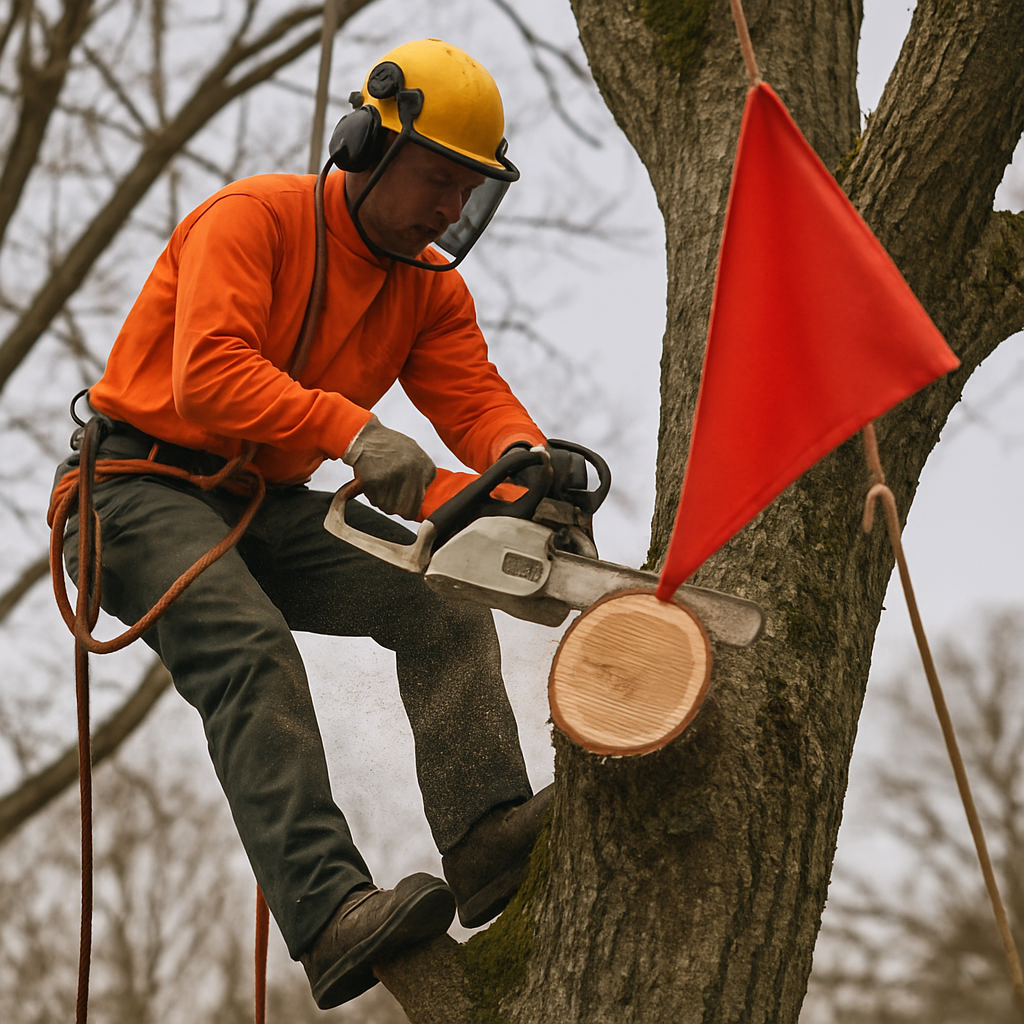
Technical control versus brute force. Experienced crews plan cuts, set clear drop zones, and use rigging, bucket trucks, or cranes when trees are near structures. That reduces collateral damage and speeds work in tight yards where ladders and chainsaws alone would be reckless.
Beyond the cut: paperwork, disposal, and follow up. A reputable local outfit will pull permits when required, coordinate with utilities, haul debris or chip it on site, and offer a documented scope of work so you know whether stump grinding or pest treatment is included. If you want a local example of a full service provider, see tree removal and stump grinding.
Tradeoff to expect: speed costs money. Same day or emergency tree work reduces immediate risk but typically costs more because crews prioritize life safety and may need overtime, cranes, or rapid mobilization. For noncritical pruning or scheduled removals, you can save by booking during regular hours and bundling services like trimming plus stump work.
Practical limitation: not all problems have an instant fix. If a tree sits on a municipal easement or power line, work requires coordination with the city or utility and may take days. Professionals manage that coordination; DIY attempts do not and often make things worse.
Concrete example: A homeowner had a maple lean onto a garage after a storm. A licensed crew stabilized the tree, cut and lowered sections with rigging to avoid the roof, and returned two weeks later with a stump grinding crew to finish the job. The retained documentation and photos simplified the insurance claim and prevented driveway and siding damage that a rushed DIY attempt would have caused.
Judgment that matters: Paying a bit more for an insured, certified crew usually saves money and headaches. Low quotes often omit rigging, permit fees, or cleanup and shift liability to you. Prioritize verified insurance and a written plan over the cheapest estimate.
0 Comments